Fridge organization: a step-by-step guide
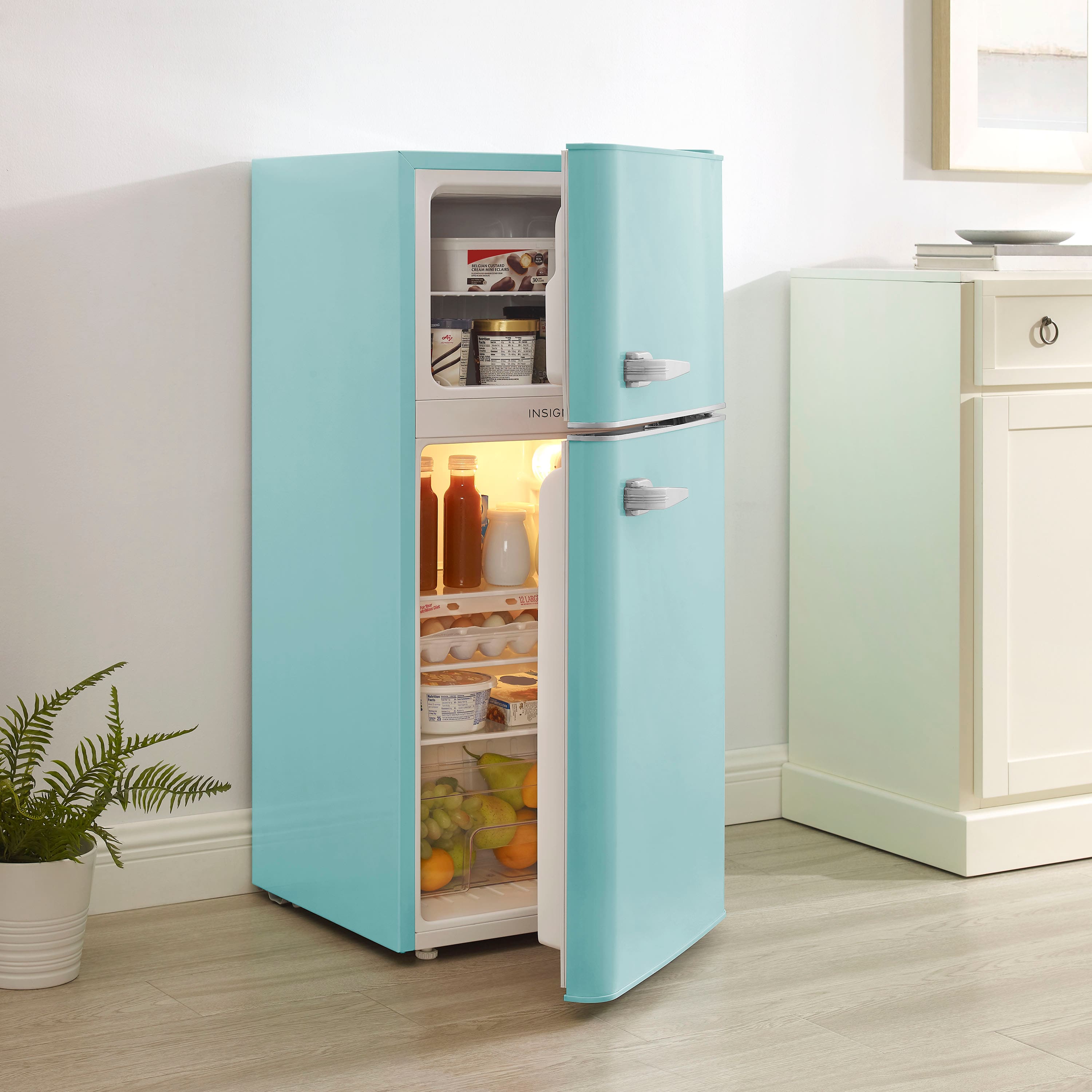
Fridge organization is about putting items where they stay the freshest for the longest time. You can clear your shelves and sort your food in under thirty minutes using these simple zones.
How to organize your fridge for maximum freshness
The temperature inside your fridge varies by shelf. The door is the warmest part and the back of the bottom shelf is the coldest. By placing items in the correct spot, you stop food from spoiling before you can eat it. You can learn more about the history of housekeeping to see why these placement rules have worked for generations.
Start by taking everything out to wipe the shelves with a damp cloth and warm water. Throw away any expired sauces or wilted produce. Once the interior is clean, you can begin to restock using the specific zones listed below to keep your food organized and easy to find.
What goes where in the fridge
Each shelf has a specific purpose based on the temperature. Keeping items in their correct zone makes it easier to track what you have and prevents you from buying groceries you do not need. Follow these steps to organize your shelves efficiently.
- Top shelf: Leftovers, drinks, and snacks that do not need cooking.
- Middle shelf: Dairy products like milk, yogurt, and cheese.
- Bottom shelf: Raw meat, fish, or poultry kept on a tray to catch drips.
- Crisper drawers: Vegetables go in the high humidity drawer and fruits go in the low humidity drawer.
- Fridge door: Condiments, butter, and juice which are less sensitive to temperature changes.
When you store raw meat on the bottom shelf, you ensure that if any juices leak, they do not contaminate the food below. The crisper drawers are designed to manage moisture levels, which helps keep your greens crisp for several extra days. Always keep the door clear of highly perishable items like milk or eggs because the temperature there fluctuates every time you open the fridge.
The best way to keep your fridge clean
Maintaining a clean fridge does not require a deep scrub every week. The secret is to perform a quick inventory check before you go to the store. Spend five minutes clearing out empty containers and wiping away spills so they do not become sticky or hard to remove later.
If you have a spill, wipe it up immediately with a soft sponge and mild soap. Sticky shelves are the main reason people avoid cleaning, so acting fast saves you time. You might want to look into cleaning methods that do not use harsh chemicals to keep your food storage area safe for your family.
Using containers for better storage
Clear, rectangular containers are the most helpful tools for a tidy fridge. They allow you to stack items safely and see exactly what is inside without moving things around. When you use containers, you turn wasted vertical space into usable storage area.
- Use clear bins for small items like yogurt cups or snack packs.
- Label your leftovers with the date you put them in the fridge.
- Keep a small tray for items that are about to expire so you use them first.
- Avoid overstuffing the shelves to let the cold air circulate freely.
When you store items in clear bins, you reduce the time you spend standing with the fridge door open. This saves energy and keeps the internal temperature stable. Once you have your containers in place, just take a moment each week to rotate the older items to the front so they get used before they go bad.
Simple steps to maintain your results
After you have set up your zones, the goal is to keep them that way. Every time you bring home groceries, put the new items behind the old ones. This is the most effective way to ensure you eat your older food first and reduce your grocery waste throughout the month.
Check the fridge once a week before you make your next shopping list. This ten minute habit prevents clutter from building up and keeps your kitchen feeling calm. When everything has a home, you will find that you can unload your groceries in half the time you did before.